DB Connect — Multi-Brand Design System

Company / Client
Basilicom, for Deutsche Bahn Connect
Year
2018 – 2020
My part
Owned the design system and the UX/UI vision, across nine teams in a SAFe programme
Technology
Pimcore 6, white-label CMS

Context

DB Connect ran six bike-sharing and five car-sharing services, each on its own system with its own hosting and upkeep. The goal was one white-label CMS for every brand, so a new brand site is configured instead of built.

Impact

  • StadtRAD Hamburg launched on the platform on 17 March 2020, the first brand
  • First week: 2,050 sign-ups, 17,807 customers migrated, 19,383 bookings
  • New brands start from the white label instead of a new build
  • Restyling a brand means changing one file, not rewriting CSS
2,050
Sign-ups in the first week
17,807
Customers migrated
19,383
Bookings in the first week
209
Components in the styleguide
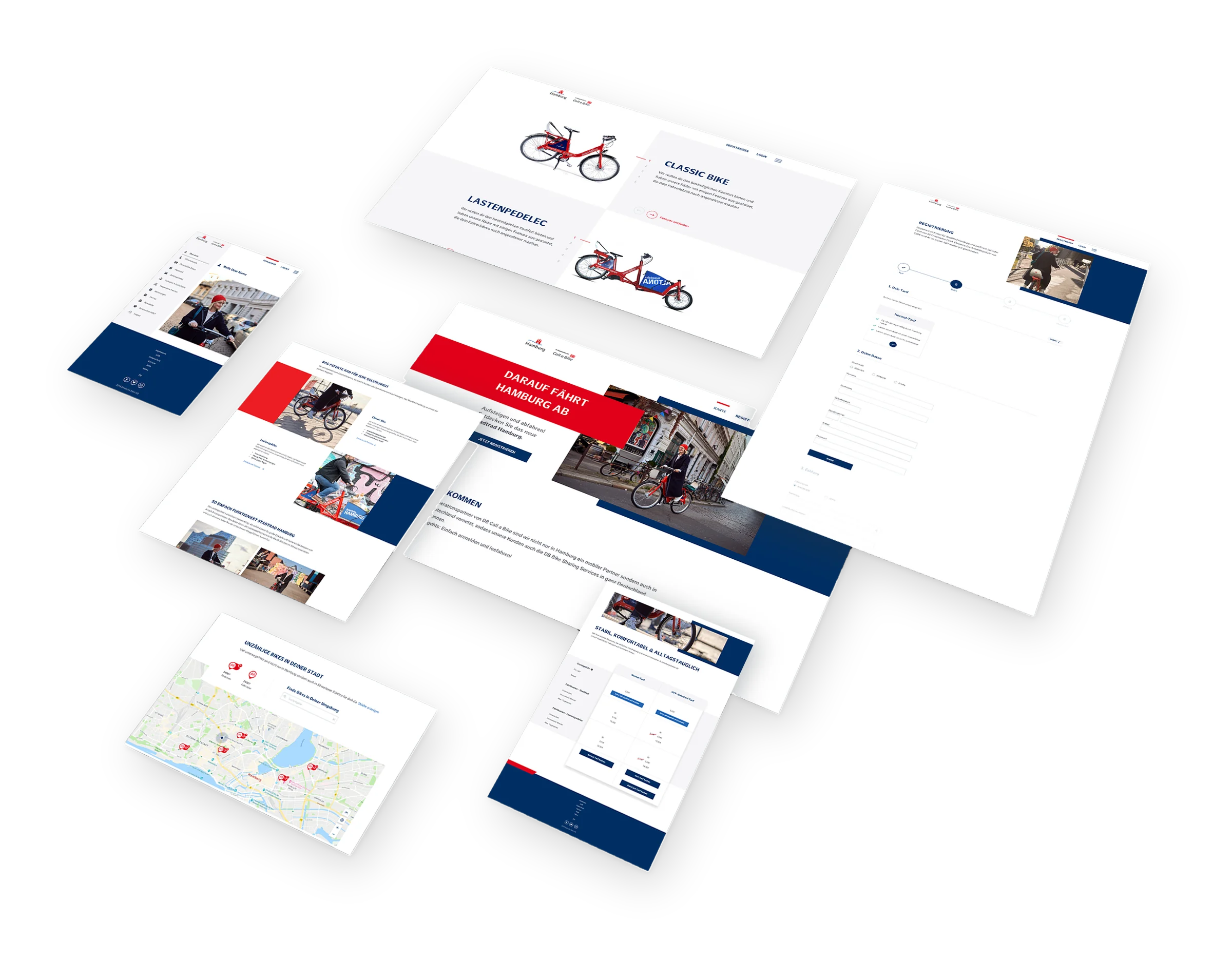
StadtRAD Hamburg website screens: homepage, bike types, station map, tariffs, registration and the customer area on mobile

What I did

Set the UX/UI vision inside a SAFe programme

I was responsible for the design system and the UX/UI vision. For each three-month programme increment I planned the concept and design work, from tariffs and registration to module packages, alongside nine teams.

Gave every brand one design language

Atomic Design structures the UI from atoms up to pages, and a BEM-inspired naming convention, agreed with engineering, gives each part the same name in Figma and in code. Brand colours and fonts sit in one separate file, so restyling for a new brand takes a few lines.

Designed the modules once, for every brand

Content modules (how it works, prices, bikes, FAQ) and functional modules (registration, self-service) are designed for the white-label site. A new brand starts as a copy of it and only changes its styles and content.

Tested the journey before launch

Our team planned an expert review and Think Aloud sessions in the DB Test Lab, covering how people choose a tariff, register and rent a bike.
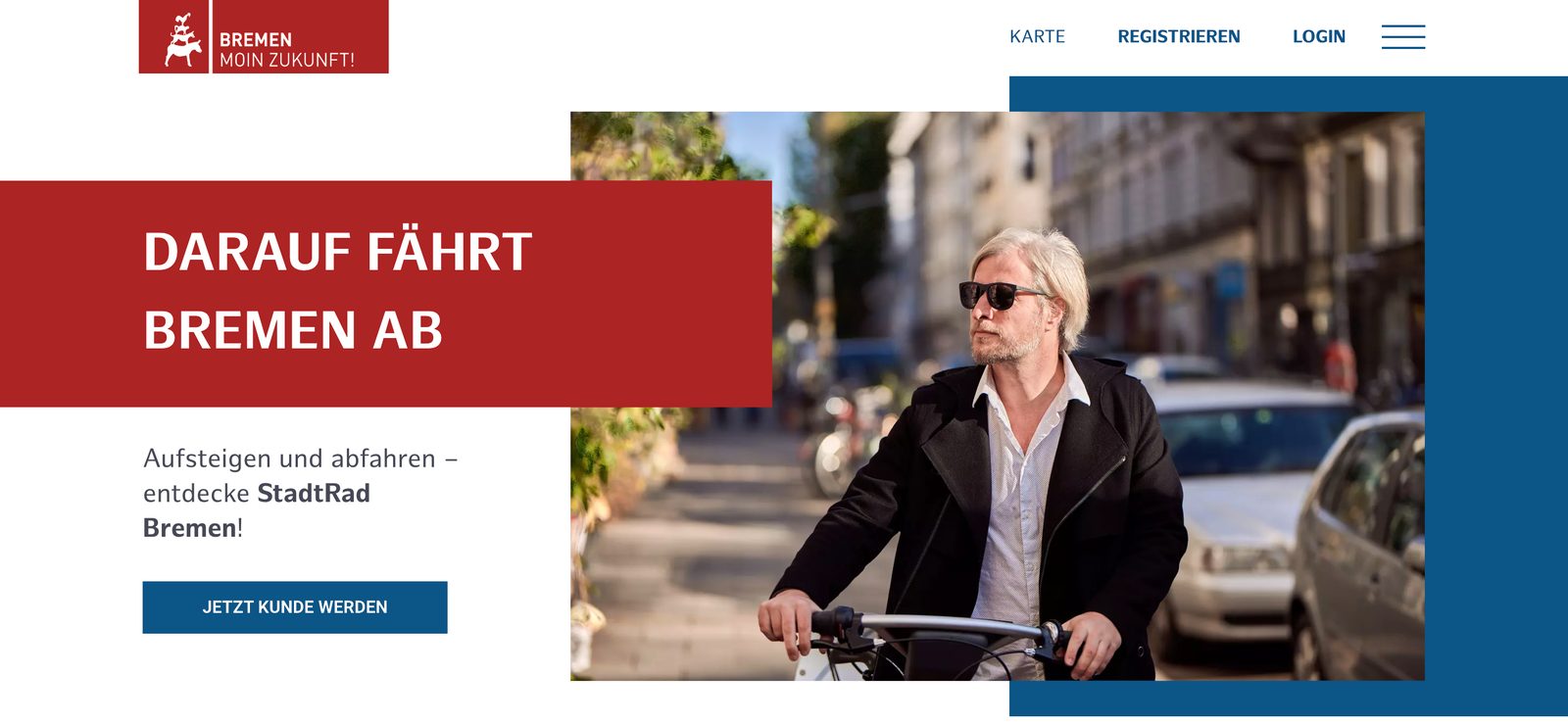
Same modules, another brand

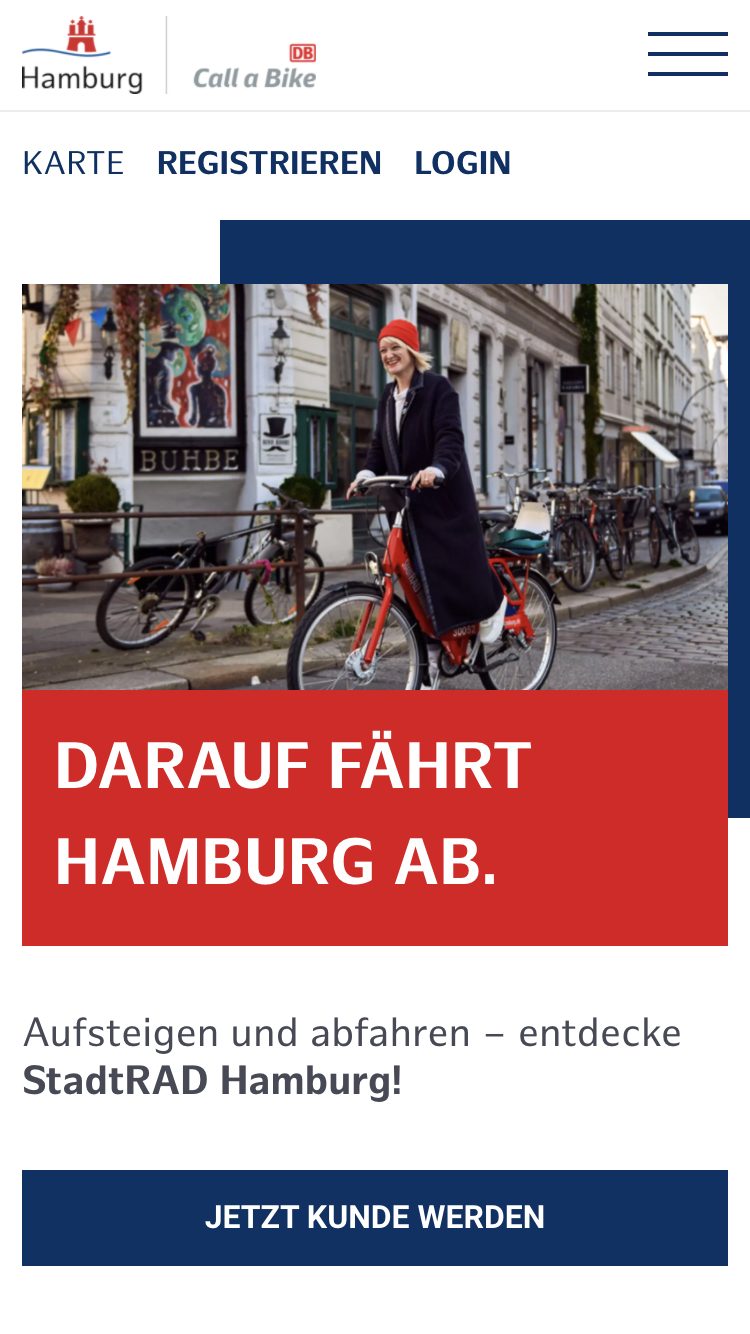
StadtRAD Hamburg, the first brand on the platform, next to an example adaptation for Bremen. The module is the same; only the logo, colours and imagery change.

StadtRAD Hamburg on a phone: hero module with the headline “Darauf fährt Hamburg ab” and a sign-up buttonThe same hero module adapted for Bremen, with the Bremen logo, a darker red and a different photo

Motion on the homepage

Transitions and micro-interactions were concept and design work of their own, planned as three packages in the programme increment. Here, the homepage on desktop.

One design language, brand styles in one file

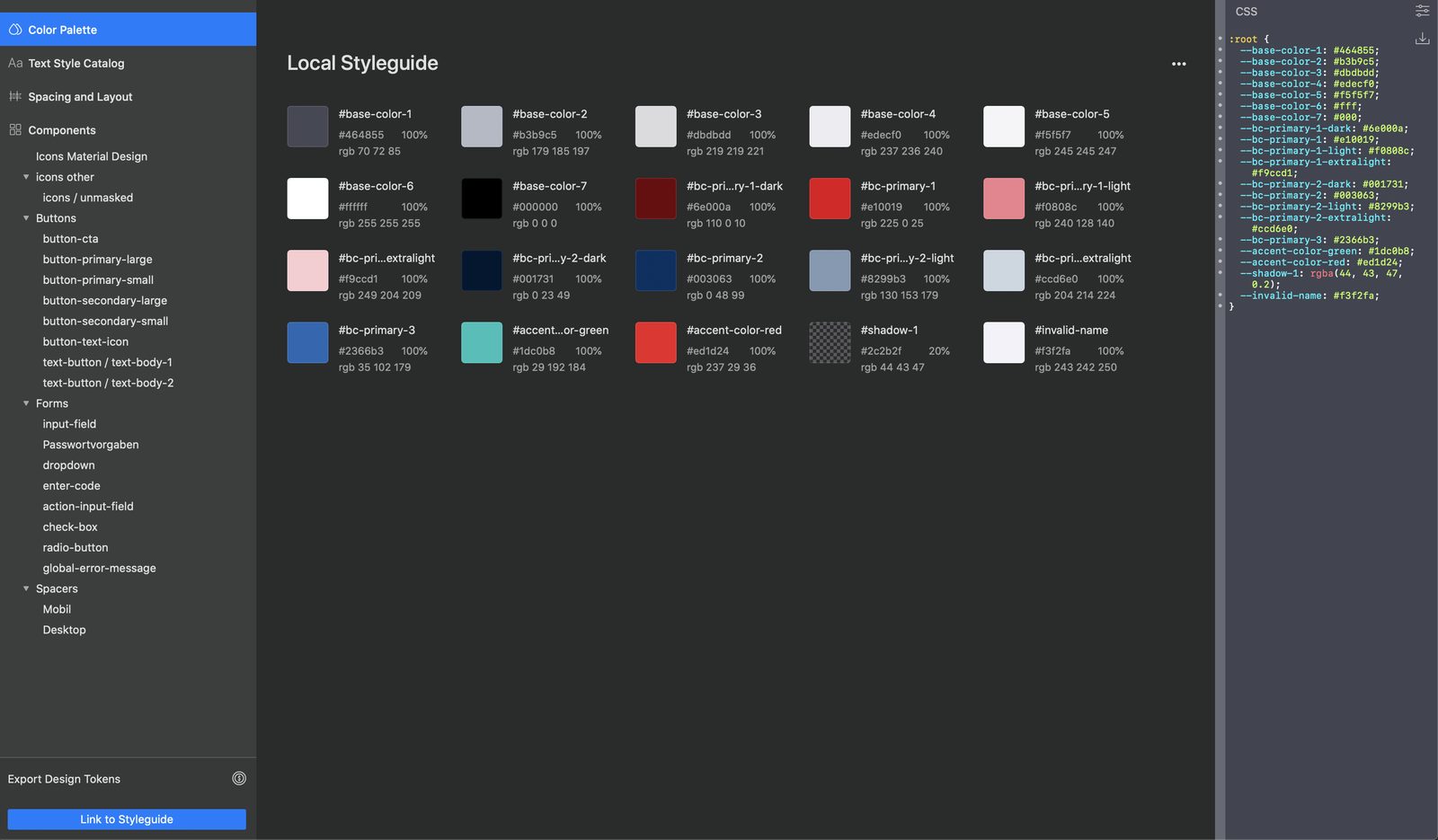
Components are built from atoms up and named after BEM, the same in Figma and in code. Colours, type and spacing live in a shared styleguide of 209 components, and everything brand-specific sits in one file per brand.

The shared styleguide's colour palette: base colours and brand colours bc-primary-1 to 3, with light, extralight and dark steps

Specified down to the spacing

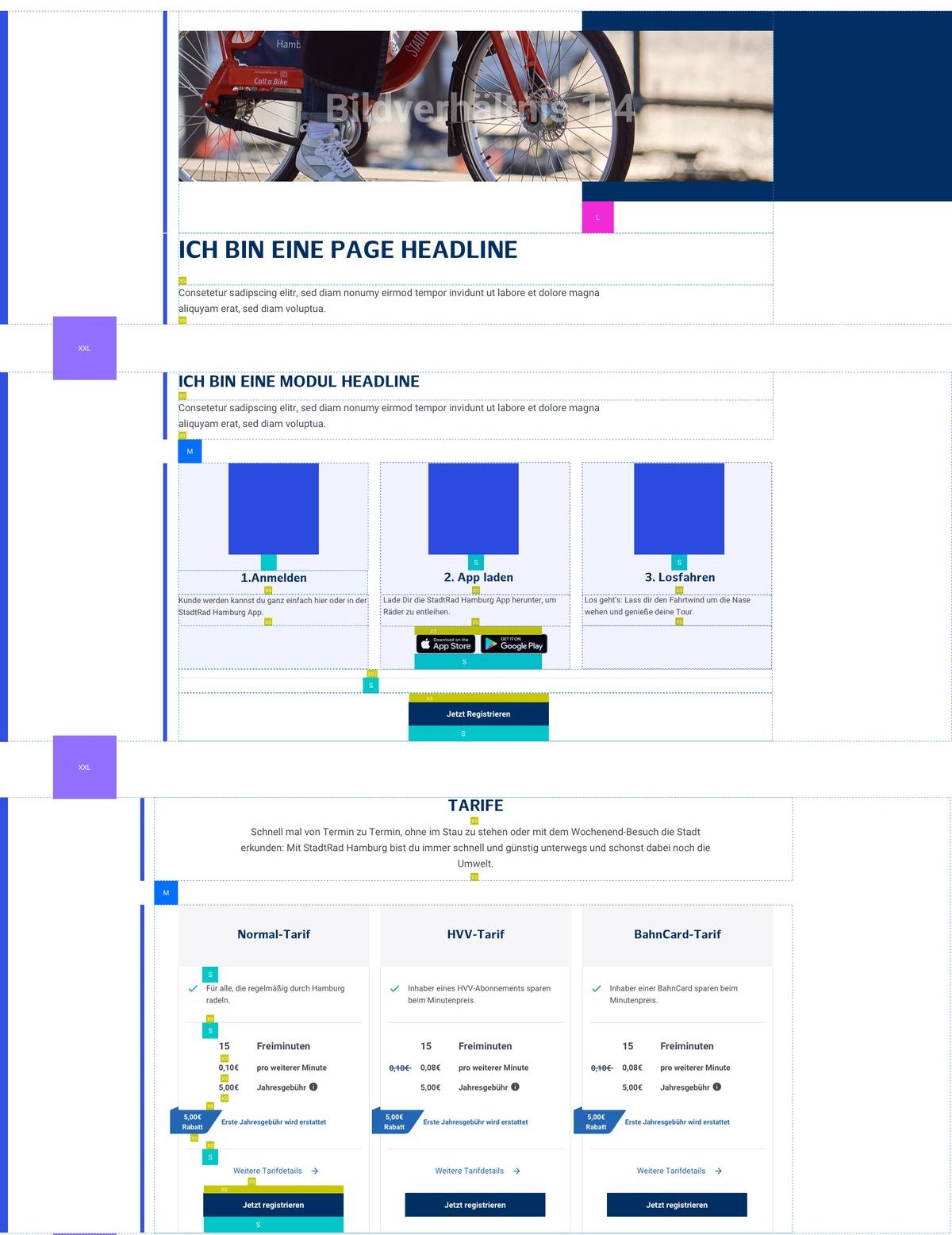
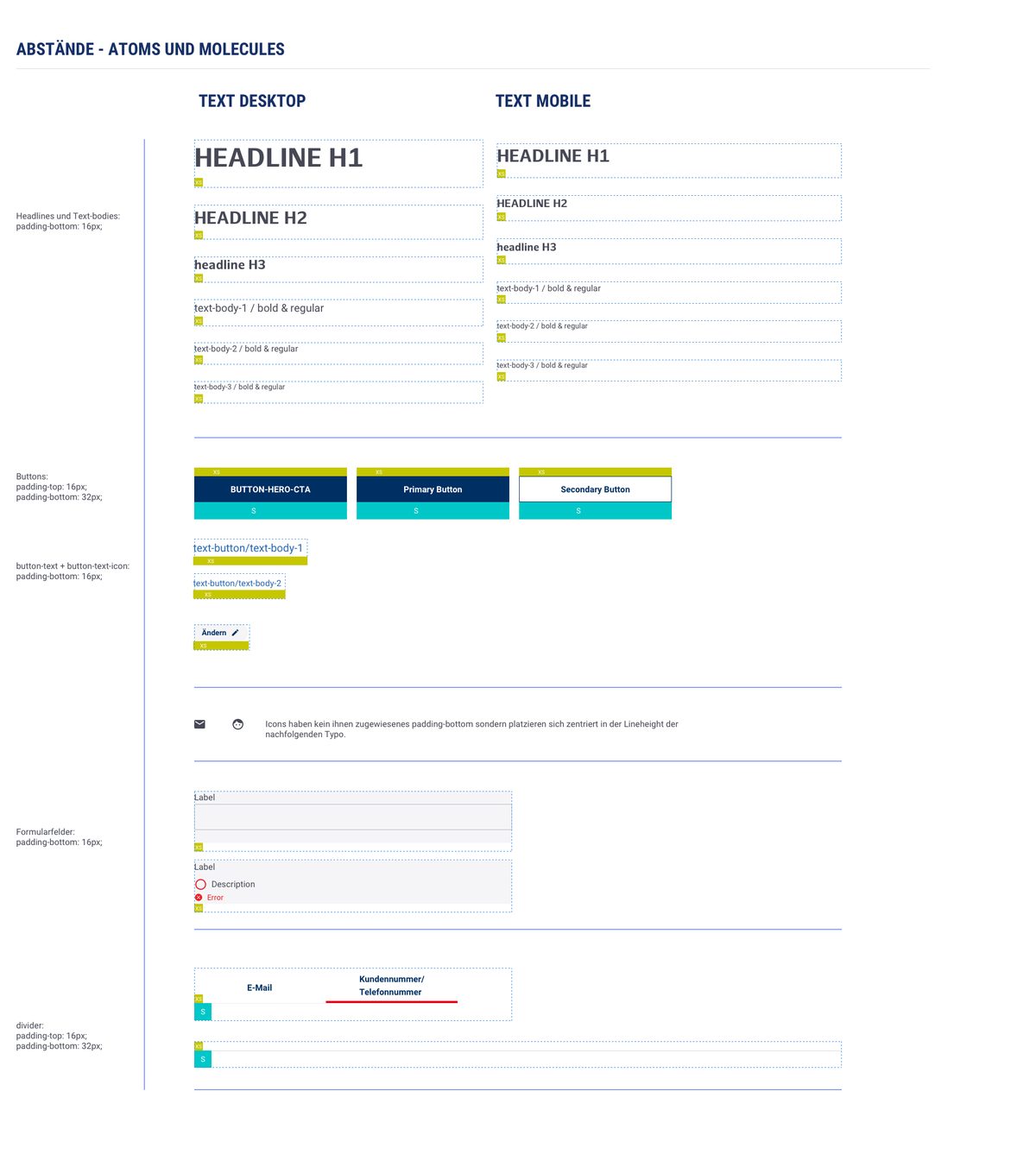
Every page and module came with a spacing spec: one scale from XS to XXL for the space inside atoms and molecules and between modules, on desktop and mobile. Engineering built each brand from the same rules.

A page template with its spacing marked up: XXL between modules, M and S inside them, on the hero, the three-step module and the tariff cardsSpacing rules for atoms and molecules: headlines, body text, buttons, form fields and dividers, each with its padding

User testing in the DB Test Lab

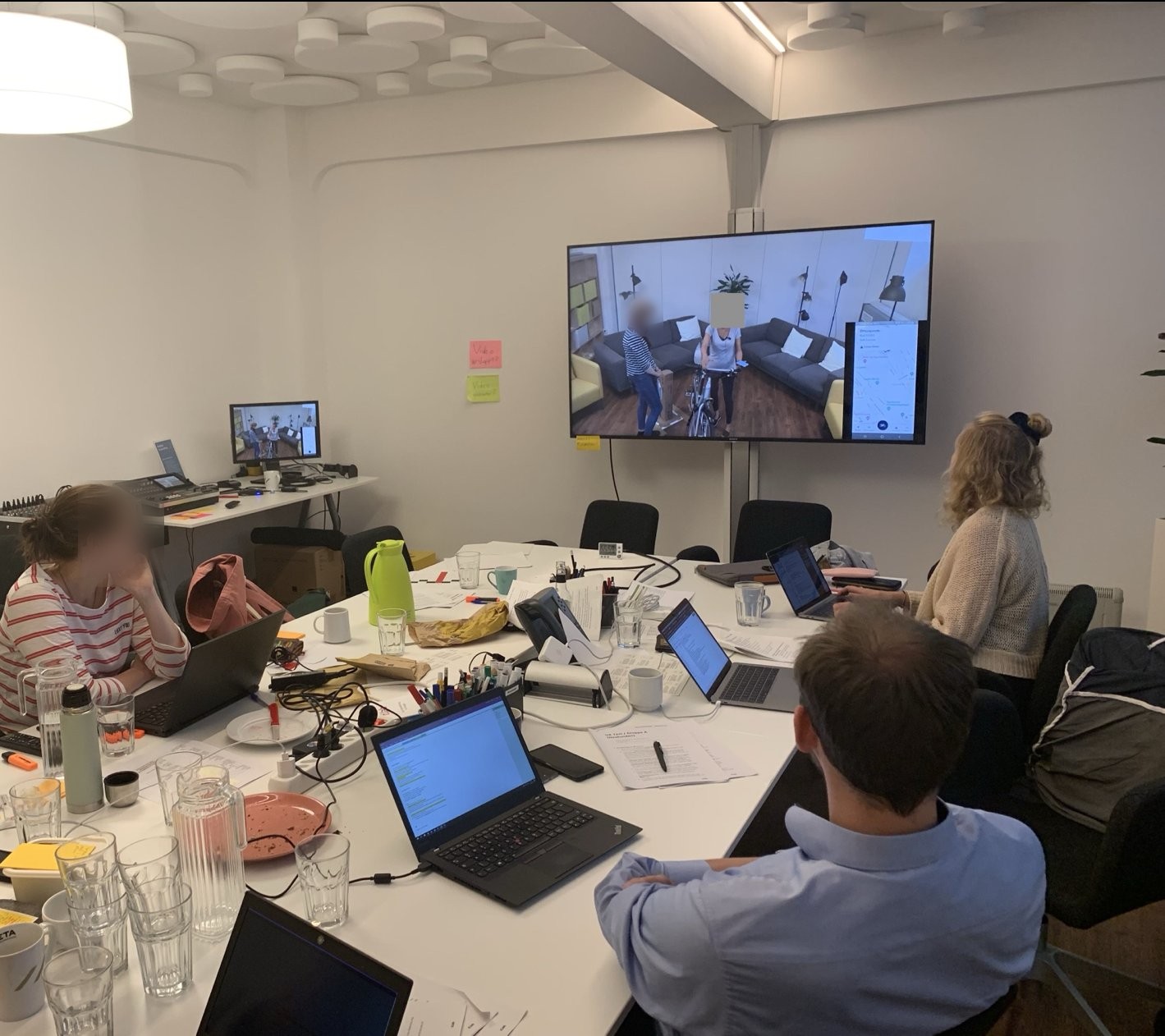
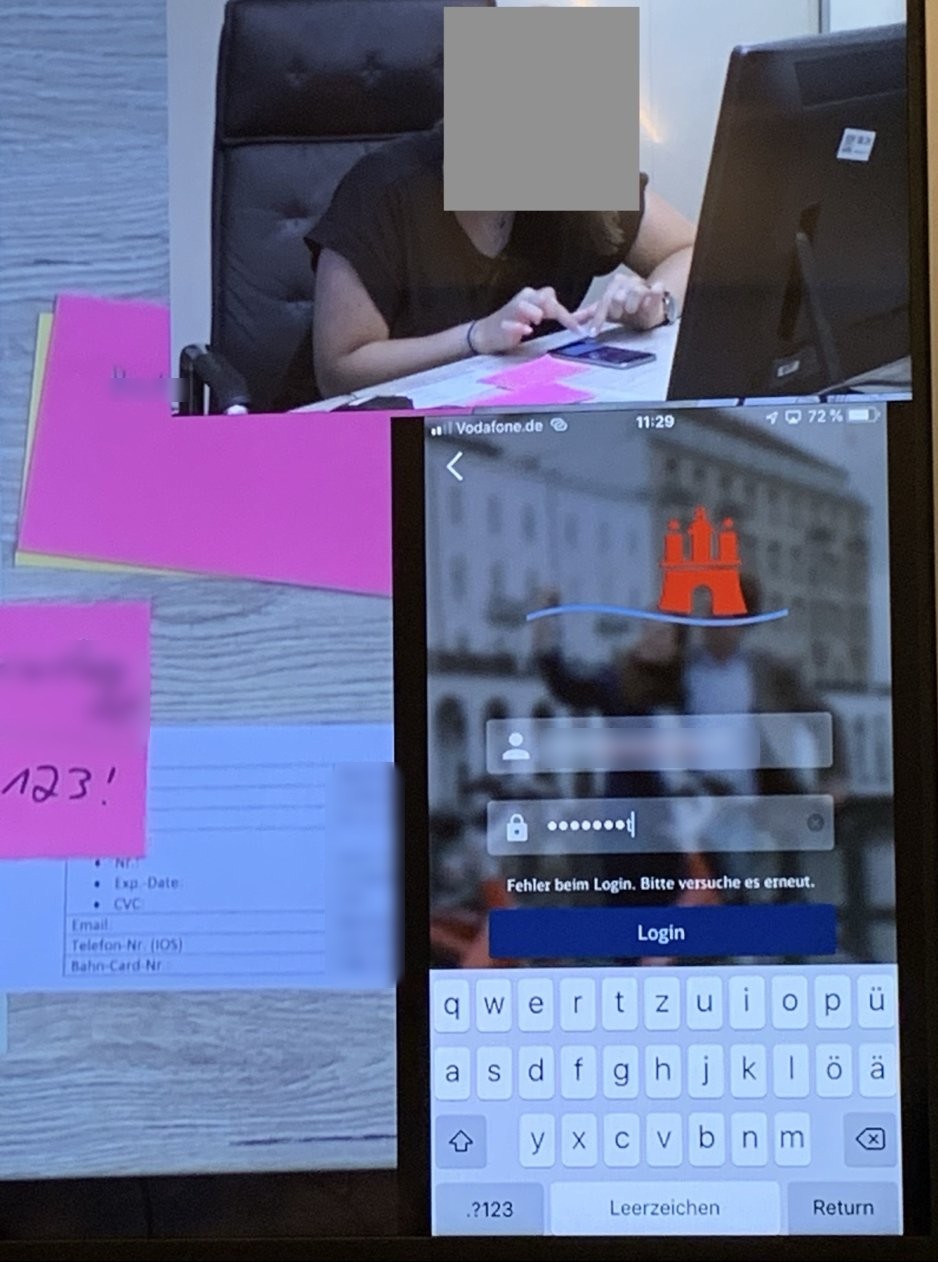
Participants registered and rented a bike while thinking aloud, so we heard what they expected at every step. Our team wrote the test concept and plan; DB Test Lab staff facilitated on site.

The team in the DB Test Lab observation room, watching a participant on a large screenA participant's phone during the test, showing the StadtRAD login screen